

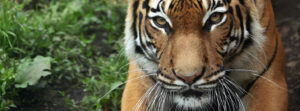
The unrestricted exploitation of wildlife has led to the disappearance of many animal species at an alarming rate, destroying Earth’s biological diversity and upsetting the ecological balance—UN
* In Commemoration of the International Day for Biological Diversity 2025 under the theme; ‘Harmony with Nature and Sustainable Development’
* The theme underscores the critical linkages between the 2030 Agenda for Sustainable Development and the Kunming-Montreal Global Biodiversity Framework
* Two universal agendas that must be pursued in synergy, in line with the recently adopted Pact for the Future
By Duncan Mlanjira
The Ministry of Natural Resources & Climate Change underscores that the loss of biological diversity — the variety of life across genes, species and ecosystems — “jeopardises sustainable development and creates a fragile, uncertain future”.

Advertisement
This is a message in the Ministry’s press statement in commemoration of the International Day for Biological Diversity 2025, whose global theme is; ‘Harmony with Nature and Sustainable Development’.
“This day aims to raise awareness and deepen public understanding of biodiversity issues,” says Secretary for Ministry of Natural Resources & Climate Change Yusuf Mkungula. “The theme underscores the critical linkages between the 2030 Agenda for Sustainable Development and the Kunming-Montreal Global Biodiversity Framework (KMGBF) — two universal agendas that must be pursued in synergy, in line with the recently adopted Pact for the Future.
“Biological diversity — our planet’s intricate web of life — sustains all life on Earth — however, it is deteriorating at an alarming rate, primarily due to human activities.
“Climate change, pollution, overexploitation of resources, invasive species and rapid urbanisation are driving numerous animal and plant species to the brink of extinction.
“We are contaminating our land, rivers and lakes with pollutants, disrupting ecosystems, and fueling climate change through greenhouse gas emissions — this loss of biodiversity jeopardises sustainable development and creates a fragile, uncertain future,” warns Mkungula.

Secretary for Natural Resources & Climate Change, Yusuf Mkungula
He added that the KMGBF, adopted at the 15th Conference of Parties to the UN Convention on Biological Diversity (COP15), “provides a hopeful path forward. It offers concrete measures to halt and reverse biodiversity loss while promoting job creation, resilience and sustainable development.”
He emphasised that this year’s theme renews people’s collective hope and calls on all stakeholders to act: “The Government urges all citizens to embrace sustainable use of natural resources, support ecosystem restoration and engage youth to help restore harmony between humanity and nature.”
“Biodiversity is essential to our survival. Malawi is blessed with diverse ecosystems, including forests, rivers, lakes, mountains, wetlands and farmland. These ecosystems provide essential services such as food, clean water, energy, carbon storage and medicine.
“They also support value chains vital to our economy. Any decision that leads to biodiversity loss or habitat degradation threatens our well-being and national development.”

Advertisement
In commemoration of the International Day for Biological Diversity, Nkungula says the Government is calling upon “every citizen to actively participate in community-based conservation efforts”.
“These include: tree planting and forest regeneration; establishing community woodlots; preventing bushfires; cleaning surroundings and avoiding indiscriminate waste disposal; reducing plastic use and pollution; refraining from farming in fragile areas such as wetlands, riverbanks and hilltops.”
The call is also to “avoid introduction of non-native plant and animal species; using approved fishing gear and respecting closed fishing seasons; and preventing poaching and encroachment into protected areas”.
“Let’s unite to conserve biodiversity and achieve the Sustainable Development Goals. Together, we can restore balance with nature and build a better future for all,” says Mkungula in the statement.
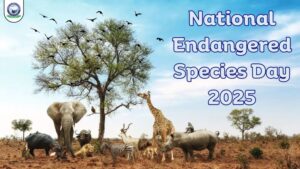
When biodiversity has a problem, humanity has a problem—UN
In its message, the United Nations (UN) says biodiversity “is often understood in terms of the wide variety of plants, animals and microorganisms, but it also includes genetic differences within each species — for example, between varieties of crops and breeds of livestock — and the variety of ecosystems (lakes, forest, deserts, agricultural landscapes) that host multiple kind of interactions among their members (humans, plants, animals)”.
“Biological diversity resources are the pillars upon which we build civilizations. Fish provide 20% of animal protein to about 3 billion people and over 80% of the human diet is provided by plants.
“As many as 80% of people living in rural areas in developing countries rely on traditional plant‐based medicines for basic healthcare — but loss of biodiversity threatens all, including our health.

“It has been proven that biodiversity loss could expand zoonoses — diseases transmitted from animals to humans — while, on the other hand, if we keep biodiversity intact, it offers excellent tools to fight against pandemics like those caused by coronaviruses.
“While there is a growing recognition that biological diversity is a global asset of tremendous value to future generations, the number of species is being significantly reduced by certain human activities.
“Given the importance of public education and awareness about this issue, the UN decided to celebrate the International Day for Biological Diversity annually,” says the statement on UN website.


Advertisement
Dr. Shyama Kuruvilla, Director ad interim at World Health Organization (WHO) Global Traditional Medicine Centre is quoted on the WHO website about how traditional medicine can support biodiversity conservation, from protecting medicinal plants through international cooperation to safeguarding traditional knowledge via access and benefit-sharing with local communities.
“On World Biodiversity Day, we honour Indigenous Peoples who have safeguarded nature-based knowledge for generations, the health care workers on the frontlines and the scientists at the frontiers — all working to heal both people and planet”, says Dr. Kuruvilla.
“With only five years left to achieve the near-term 2030 GBF targets and the SDGs, Traditional Medicine is a bridge connecting ancestral wisdom with modern science, local practices with global health goals, and cultural identity with sustainable development to restore balance for the health and well-being of people and planet.
* Weather update
