
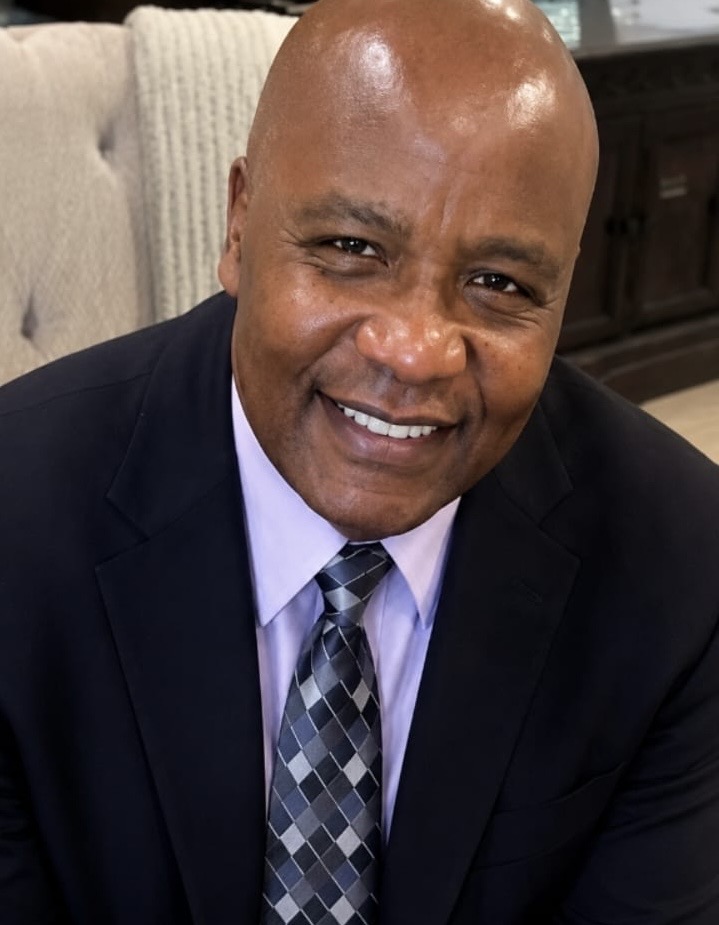
Dr. James Kadyampakeni
* The President should address the nation live and clarify the circumstances surrounding the exercise of executive authority
* Not through a spokesperson, not through a short statement — live, directly, and clearly
* When the limits of the highest office are in question, citizens deserve to hear from the highest office directly
By Dr. James Kadyampakeni
Malawi is approaching a defining moment in its democratic journey. What is unfolding in the country raises fundamental questions about constitutional governance, the exercise of executive authority, parliamentary oversight, and, ultimately, the sovereignty of the Malawian people.

Advertisement
If this is not a constitutional crisis, then we must ask ourselves what exactly constitutes one.
We have seen what happens when institutions become weak and public office is treated as an opportunity for personal enrichment.
We know the consequences of allowing corruption to become normalised. We know what happens when those entrusted with public resources forget that they are accountable to the people.
We must not repeat those mistakes.
My appeal is straightforward, and it comes from a simple place: I do not want us to wait until the damage is too deep to repair.

President Mutharika
The President should address the nation live and clarify the circumstances surrounding the exercise of executive authority.
Not through a spokesperson, not through a short statement — live, directly, and clearly.
When the limits of the highest office are in question, citizens deserve to hear from the highest office directly.
Parliament should convene and exercise its constitutional oversight responsibilities. It should seek answers where the legality of government actions is in question.
Parliament is not a ceremonial audience — it is a check. It is there to ask the difficult questions, to demand documents, to follow the law where it leads, and to make sure that power is not exercised in a fog of confusion.
When Parliament sleeps, accountability suffers.
The Attorney General and relevant constitutional institutions must provide clarity on the legality of any delegation or exercise of presidential powers.
This is not about embarrassing anyone. It is about certainty. If powers were delegated, show the legal basis. If they were exercised, explain under what authority.
Legal clarity protects the government as much as it protects the public. It replaces rumour with rules.
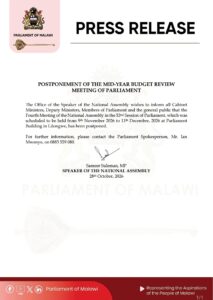
Any questionable presidential communications or government directives must be authenticated and independently examined.
In an age of screenshots, leaks, and spin, silence creates space for speculation. If a directive is real, own it. If it is not, say so.
Either way, the public should not be left guessing about what the government has said or done in its name.
Public resources and government institutions must be protected from abuse, political manipulation, and unauthorised decision-making.
This is the heart of the matter.
Institutions are not prizes for winners. They are common property. They belong to everyone who relies on them — patients, students, workers, businesses, and communities.
When they are captured or weakened, services fail, trust collapses, and the most vulnerable pay first.

Advertisement
These are not radical demands. They are basic expectations of constitutional governance. No one is asking for anything outside the law.
We are asking for the law to be followed visibly, consistently, and without delay. We are asking for accountability before the crisis, not after it.
I am particularly concerned that we may be approaching a point where the damage to public institutions becomes difficult to reverse.
Institutions can bend for a while. Then they break. Public trust can survive a lot, but it does not return on command.
We must not wait until the country is completely paralysed before recognising the seriousness of the situation.
This is not a call for panic. It is a call for prevention. The time to defend institutions is before they fail, not after. The time to ask questions is before decisions become facts. The time to demand accountability is now.

So let us be clear and calm. President: address the nation. Parliament: convene and oversee. Attorney General and constitutional bodies: clarify the law. Questionable directives: authenticate and examine them. Public resources and institutions: protect them.
These are reasonable requests. They are the minimum. And they are urgent.
If we wait for paralysis, it will be too late. Let us act while we still can, not because we are against anyone, but because we are for the country.
Not because we distrust every institution, but because we want them to work. Not because we are alarmists, but because we have seen the warning signs before. This time, let us heed them.
Editor’s Note:
Dr James Kadyampakeni is Canada-based Malawian economist and accountable governance advocate, who regularly comments on Malawi’s economy, governance, and politics.

Advertisement