
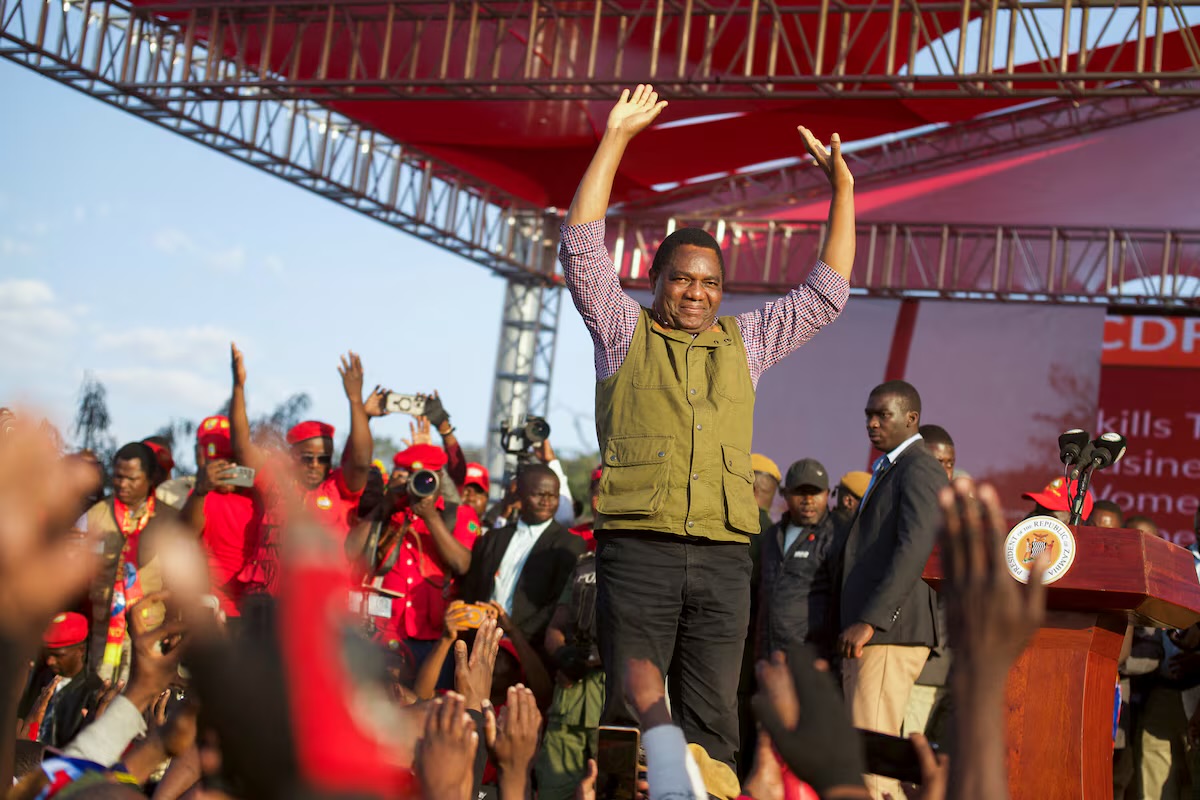
* Hichilema’s share of the valid votes rose to roughly 62%, up from 59% late on Sunday, results from about 71% of constituencies showed
* While his main challenger, Brian Mundubile, was on 36% of valid votes, down from 39% overnight
* Hichilema, 64, is seeking a second term and the election was widely seen as a referendum on Hichilema’s economic record since taking office during a debt crisis in 2021
By Chris Mfula, Reuters
Zambia’s President Hakainde Hichilema’s lead in the country’s presidential election widened on Monday, while the opposition cried fraud in a chaotic aftermath to last week’s poll.
Hichilema’s share of the valid votes rose to roughly 62%, up from 59% late on Sunday, results from about 71% of constituencies showed while his main challenger, Brian Mundubile, was on 36% of valid votes, down from 39% overnight.
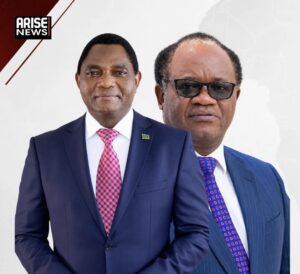
Hichilema, 64, is seeking a second term and the election was widely seen as a referendum on Hichilema’s economic record since taking office during a debt crisis in 2021.
Analysts had predicted he would win due largely to the advantages of incumbency and a divided opposition. A presidential candidate must receive more than 50% of the vote to win in the first round, or face a run-off between the top two contenders.
The opposition, however, says it has concerns about vote-rigging: “We wish to place on record our grave concern regarding the integrity of the ongoing presidential election process,” said Mundubile in a video posted to his social media channels on Monday.
He said he had received information about the possible alteration of results forms from polling stations, and called for an urgent independent investigation.
Hichilema’s spokesperson Clayson Hamasaka responded: “It’s all lies. They have been crying about everything from the time campaigning started.”
Election commission officials did not take questions after a press conference where they announced the latest results, and could not immediately be reached by phone for comment.
Tensions escalated quickly after a relatively quiet run-up to the August 13 vote. On the night of the election, authorities arrested 11 people including leading opposition figures in a raid that involved an exchange of gunfire, while Mundubile was present.
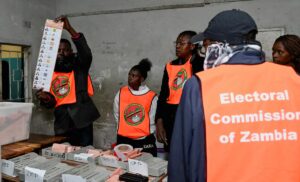
The next day, the electoral commission suspended vote counting for hours due to reports of violence against polling staff and the theft of ballot papers.
Opposition parties and civil society groups have accused the government of growing repression in recent months. The government has denied this.
The opposition is not expected to accept the results and could decide to lodge a legal challenge although it is unlikely to be successful, said Greg Musiker, Zambia analyst at advisory firm Signal Risk.
“While localised political violence is possible in the coming days, widespread unrest is not expected,” he added.
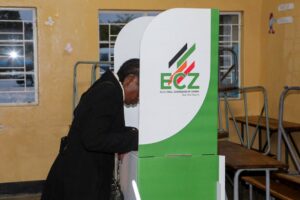
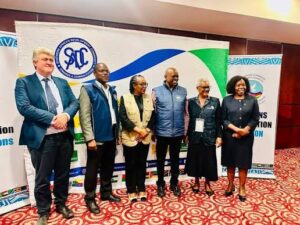
Meanwhile, heads of international and regional election observation missions released their preliminary statements, presenting their initial findings on the electoral process and calling on all stakeholders to remain calm and allow the Electoral Commission of Zambia (ECZ) to complete the ongoing results process.

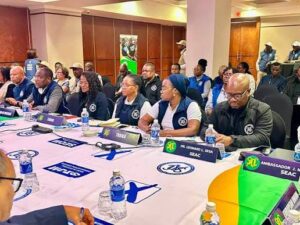
On Election Day, SEOM observed 277 polling stations out of the 13,529 polling stations established for the elections.
SEOM observed that the political environment in most areas of deployment was peaceful and that most stakeholders consulted considered the environment an improvement compared with the 2021 elections. The Mission also noted several positive practices, including the preparedness of the ECZ, transparent verification and custody of electoral materials, and the functioning of conflict-management committees.
A report by the Southern Africa Development Community (SADC) indicated that on election day, head of the Southern African Development Community Electoral Observation Mission (SEOM), Samuel B. Tembenu, SC — former Malawi Minister of Justice & Constitutional Affairs — found the atmosphere calm and peaceful at 275 of the 277 polling stations observed.
It nevertheless identified areas requiring further attention, including the absence of dedicated legislation governing the management, funding and accountability of political parties; the timing and communication of electoral reforms; aspects of the new mixed member proportional representation system; media freedom; inclusion of women and persons with disabilities; electoral violence and the secrecy of the ballot.
“SEOM consequently recommended, among other measures, prioritising legislation on political parties, undertaking electoral reforms sufficiently ahead of elections, strengthening participation by women, youth and persons with disabilities, ensuring equitable media coverage, investigating electoral violence and intimidation, and safeguarding ballot secrecy.”

Advertisement
At the same time, AU–COMESA raised concerns over late electoral reforms, the absence of legislation regulating political parties, incidents of political violence, aspects of media freedom, the representation of women, congestion and delays at some polling stations, and the management of the results process.
The Mission stressed that the integrity of results management depends on adherence to the law, transparent communication by the ECZ and restraint by political actors from making premature declarations, underscoring that official election results should be announced by the ECZ.
Head of the Electoral Commissions Forum for SADC (ECF), Justice Annabel Mtalimanja — chairperson of the Malawi Electoral Commission (MEC) — reported that teams were deployed to Lusaka, Southern, Central, Eastern and Copperbelt provinces.
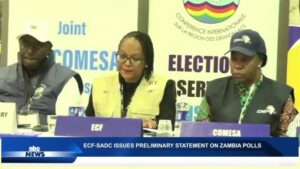
The Mission reported that election day procedures generally proceeded well, with no reports of widespread intimidation or significant disruption to polling.
It nevertheless identified operational and logistical challenges, including delays in the delivery of electoral materials and inadequacy of some materials.
Recognising the importance of the ongoing results process, the ECF Mission extended the stay of its leadership in Zambia until August 19, 2026 to continue observing the results tallying process, provide peer support to the ECZ and work with other international observation missions involved in preventive diplomacy.
The Mission called on all electoral stakeholders to exercise restraint and channel grievances through legally established mechanisms.
It also encouraged the ECZ to provide regular and detailed information to the public as the announcement of results continues.—Editing by Duncan Mlanjira, Maravi Express

Advertisement