

* Following Executive Order No. 2 of 2026 by President Mutharika mandating sanitation and hygiene facilities mandatory in public spaces, workplaces and schools
* It is deeply concerning that in many urban areas, public toilets have been privatised and converted into fee-paying facilities, which disadvantages low-income citizens
* Commercial institutions, particularly banks, should provide free and adequate toilet facilities for the customers in line with minimum public health standards
By Duncan Mlanjira
Malawi Health Equity Network (MHEN) and the Malawi Environmental Health Association (MEHA) welcome President Arthur Peter Mutharika’s Executive Order No. 2 of 2026 issued on March 1 — that mandates the establishment of sanitation and hygiene facilities mandatory in public spaces, workplaces and schools.

Advertisement
But the two stakeholders are asking if that directive can also be extended to the provision of accessible free public toilets nationwide, saying “it is deeply concerning that in many urban areas, public toilets have been privatised and converted into fee-paying facilities, which disadvantages low-income citizens”.
“Sanitation is a public health service and a matter of human dignity; and therefore, access should not be determined by one’s ability to pay,” says the joint statement from the two stakeholders issued yesterday, March 3.
The Executive Order emphasises that the move is aimed at mitigating threats posed by waterborne diseases that arise from unhygienic practices, thus all schools and workplaces, whether public or private, shall provide and maintain waste disposal facilities within and sorrounding premises — adding that it “shall be enforceable by law” with immediate effect from March 1.
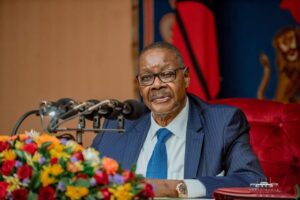
President Mutharika
The two bodies say sanitation is a public health service and a matter of human dignity, warning that privatised fee-paying toilets disadvantage low-income citizens and they have since called on councils “to reclaim public toilets, abolish user fees and ensure adequate sanitation facilities in public spaces, homes and commercial institutions”.
In applauding the President, MHEN and MEHA maintain that the directive is “a significant and timely step toward safeguarding public health and upholding the constitutional right to life, especially as the country continues to report worrisome figures of sanitation-related diseases, including cholera”.
“Preventive health measures, such as proper waste management and accessible sanitation, are essential to reducing disease burden and promoting social and economic equity.
“MHEN and MEHA emphasise that effective implementation of the Executive Order must include the availability of adequate, safe, clean and accessible public toilets and handwashing facilities in public spaces.”
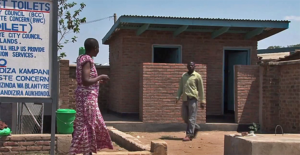
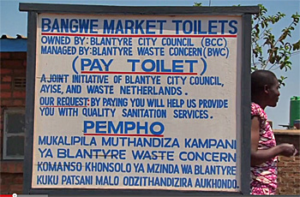
The two organisations thus appeals to the Ministry of Local Government “to direct local authorities to reclaim ownership of public toilets, construct additional ones where gaps exist and ensure that they are accessible to the public”.
“We further call upon relevant Government institutions, including the Reserve Bank of Malawi, to ensure that commercial institutions, particularly banks, provide free and adequate toilet facilities for the customers in line with minimum public health standards.
“We urge local councils to facilitate the review and abolition of user fees for public toilets, including those in shopping malls.”
MHEN and MEHA further indicate that they are “concerned by reports of residential plots in some urban areas lacking adequate toilet facilities, leading residents to resort to unsafe and undignified alternatives”.
“This practice poses serious environmental and public health risks. Districts and City Councils must intensify inspections to ensure that every dwelling place has sanitation facilities proportionate to the number of occupants.”

Households must have sanitation facilities proportionate to the number of occupants
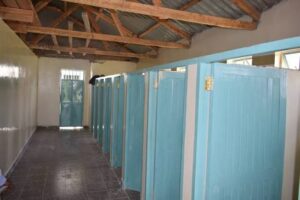
The two institutions maintain that “sanitation and hygiene are not optional add-ons but central components of a resilient, equitable and people-centred health system”, and commit themselves to collaboratively work with government, local councils, the private sector and communities to ensure the Executive Order “translates into practical, equitable and sustainable improvements in sanitation and environmental health across Malawi”.
In his reaction to the Executive Order when it was posted on Malawi Government official Facebook page, Sydney Pempholathu Sitima asked that the guiding laws pertaining to the Presidential directive should also “be effected to those who will be found littering garbage anywhere in towns, cities and trading centres”.
Samuel Themba observed the Local Government Ministry should also whip district and city councils, alleging that that “are failing to manage waste disposal”.
In an interview with ZBSNews, sanitation expert, Mike Chimaliza, applauded the Executive Order, saying the move would mitigate threats posed by waterborne diseases that arise from unhygienic practices, while environmental expert, Godfrey Mfiti said the political will demonstrated by the government “symbolises a positive shift in how environmental issues will be addressed and managed in the country”.

Advertisement