
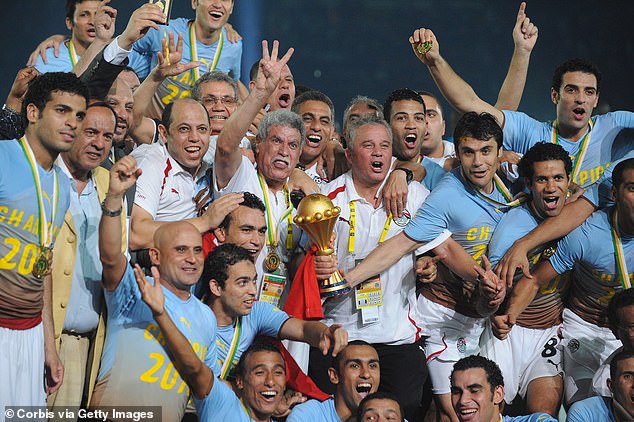
The 7th title earned in 2010
* The path to historic achievement is never simple at AfCON — but if experience, resilience and quiet authority still count for something, the Pharaohs remain very much in the hunt
* Fifteen years have passed since their last triumph in 2010, a period marked by near-misses, heartbreak, and unfulfilled promise
* Our people deserve this — they have been waiting for a long time, and we believe we can deliver it to them and make them happy—coach Hossam Hassan
Maravi Express
Throughout their campaign at the Africa Cup of Nations (AfCON) Morocco 2025, one standout narrative has echoed consistently from the Egyptian camp — an 8th star and for the record holders of the competition with seven titles, the pursuit of continental supremacy has become both an ambition and an obsession.

Advertisement
The path to an historic achievement is never simple at the AfCON — but if experience, resilience and quiet authority still count for something, the Pharaohs remain very much in the hunt.
Fifteen years have passed since their last triumph in 2010, a period marked by near-misses, heartbreak, and unfulfilled promise. The Pharaohs have reached two AfCON final matches since then — in 2017 and 2021 — but fell short on both occasions.
The longing to return to the summit remains deeply rooted, not only among the players, but across a nation that measures success by silverware: “Our people deserve this,” said coach Hossam Hassan, a three-time AfCON winner as a player in 1986, 1998 and 2006.
“They have been waiting for a long time, and we believe we can deliver it to them and make them happy.”

Hassan relishing the trophy back in 2010
Belief, not brilliance alone
Now in Morocco, Egypt believe they have the tools to challenge once more, guided by the fierce competitive spirit of Hassan, whose imprint on the team has been built on unity rather than individual stardom.
“We work together as a team and the players fight for each other,” Hassan said. “I am very happy with the players I selected for the tournament. There is always pressure when you are African giants, but we are managing it well.”
That message has resonated within the squad. Captain Mohamed Salah has echoed the sentiment, highlighting the importance of domestic-based players and a collective hunger to etch their names into history.
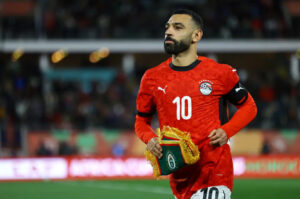
Mo Sallah
Lessons from recent scars
Egypt arrived in Morocco still haunted by their disappointing AfCON 2023 campaign in Côte d’Ivoire, where they exited without winning a single match. Three group-stage draws (all 2-2) were enough to reach the Round of 16, but a penalty-shootout defeat to DR Congo brought an abrupt end to their journey.
That setback followed closely on the heels of the 2021 final loss to Senegal in Cameroon, a reminder of how fine the margins have been between glory and despair. This time, the Pharaohs are determined to rewrite the script.
A disciplined march to the last eight
Egypt’s progress in Morocco has been underpinned by defensive solidity, tactical discipline and mental resilience — qualities long associated with their AfCON identity.
Having played all their matches in Agadir, they head into the quarter-final with Côte d’Ivoire (21h00 CAT) with a sense of familiarity and comfort.
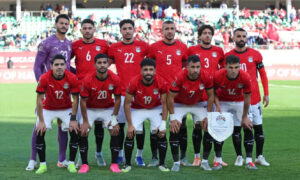
Their campaign began with a composed 2-1 comeback victory over Zimbabwe, sealed by a late Salah strike. A narrow but controlled 1-0 win against South Africa followed, again with the captain decisive, securing early qualification.
With top spot assured, Hassan rotated his squad in a goalless draw against Angola while in the Round of 16, the Pharaohs were tested by Benin, who forced extra time after a late equaliser — the response was emphatic: a 3–1 victory that underlined Egypt’s grit and knockout pedigree.
Quarter-final showdown
Standing between Egypt and the semi-finals are the defending champions, Côte d’Ivoire in a heavyweight clash which is rich in narrative and consequence. Victory would not only eliminate the holders but also inject enormous belief into Egypt’s pursuit of title number eight.
While Egypt insist on collective strength rather than reliance on individuals, they have within themselves superstars that can turn the game into their direction and heavily influence flow and direction.
The first name on the list is definitely captain Salah, who continues to lead by example. With three goals and one assist in the tournament, his influence stretches far beyond numbers — shaping standards in training, leadership in the dressing room, and calm in decisive moments.
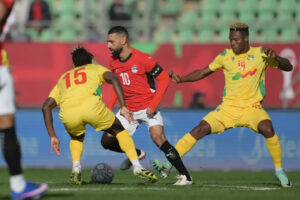
“He is a leader for the team and shows the way to the young players. He is a very important member of our squad,” coach Hassan lavished praised on the 33-year-old, who — having experienced the pain of two AfCON final defeats, he is driven by unfinished business.
Having conquered club football with Liverpool, winning virtually all trophies available, continental glory with Egypt remains his most cherished ambition.
His attacking partnership with Omar Marmoush has been one of Egypt’s key offensive outlets, and he expects the same to thrive against a tough Ivorian side — while at the back, defender Yasser Ibrahim has been equally influential.

Advertisement
The 32-year-old Al Ahly stalwart has anchored the Pharaohs’ defence with authority and composure, while also posing a threat from set pieces — highlighted by his extra-time goal against Benin.
Against an explosive Ivorian attack, Ibrahim’s experience and leadership will be central to Egypt’s hopes and will be one of coach Hassan’s key men.
As the quarter-final approaches, Egypt stand where they have so often stood before — carrying expectation, history, and belief in equal measure.—Reporting by CAFonline; edited by Maravi Express


Advertisement