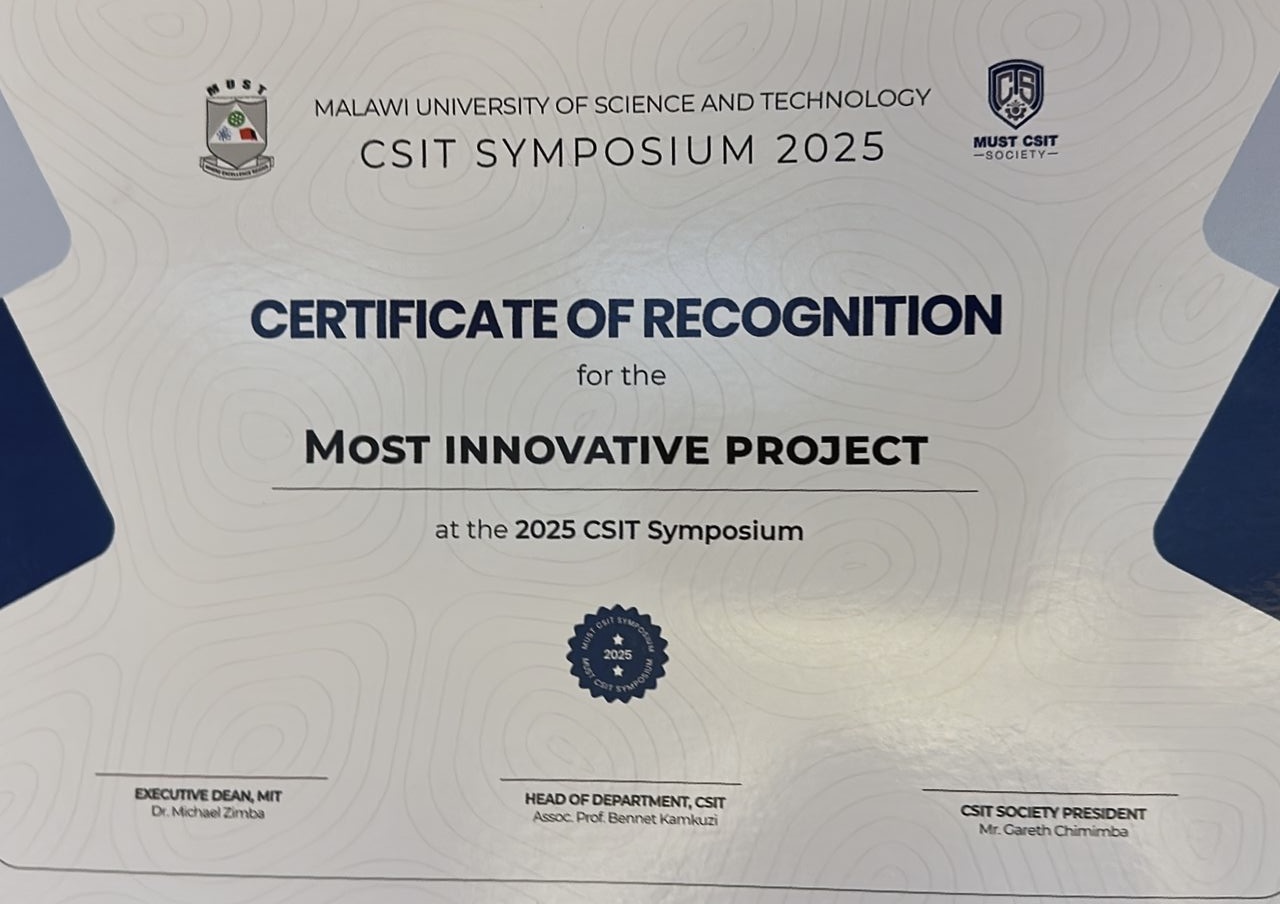

* Recognised with Most Innovative Project Award by MUST’s Cultural & Research Innovation Festival
* 4th-year students — two studying Computer Systems & Security and the three doing Business Information Technology
By Duncan Mlanjira
Five Malawi University of Science & Technology (MUST) have been honoured with the Most Innovative Project Award for developing self-assessment artificial intelligence (AI) digital App as an awareness tool to warning signs of cancer — named Brave Rose.
They pitched up their innovation during MUST’s Computer Science & Information Technology (CSIT) Symposium held yesterday at MUST Campus under the theme; ‘Bridging the Digital Divide’ held yesterday.

Advertisement
This is a tremendous innovation from the 4th-year students — two studying Computer Systems & Security and three doing Business Information Technology and they intend to pitch the App to major hospitals like Mwaiwathu and any other hospital that practice oncology and/or provide therapy like St John of Hope.
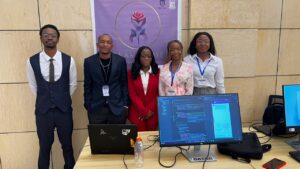
Trending under the name, ‘Harbour of Hope’, the five are Ruth Malion, Stephanie Mpaya, Ulunji Nicole Madinga, Emmanuel Nkhoma (all 21-year-old) and 24 year-old Blessings Mandala, who were inspired by Ruth Malion’s mother, Rose — who was diagnosed with cancer in December 2022, and sadly passed on in February 2023.
“So together as a group, we decided to come up with this project not only as a tribute to Ruth’s mother but also as a way to help others and spread awareness of such a complicated issue — hence the name Brave Rose being named after her mother,” says the group.
“We noticed that as a country, when it comes to certain diseases like cancer, it usually takes people a long time to be diagnosed with cancer or feel the need to go to the hospital — or even at the very least, learn about it.”
In introducing the App, the innovators highlight that Brave Rose has been designed to tackle “one of Malawi’s most pressing but overlooked health challenges — cancer awareness”.
The App’s mission is simple — to empower Malawians with knowledge, break the silence around cancer, and support early detection and care while providing a community to provide support to those affected by it.”
The problems that the App is set out to solve include that cancer remains shrouded in stigma and misinformation across the country, saying: “While breast, cervical and prostate cancers are somewhat recognised, awareness of other cancer types is alarmingly limited.

“This lack of information means many people only seek medical help when it is too late. Fear and stigma often prevent open discussions, leaving patients isolated and uninformed.
“The consequences are devastating — late diagnoses, avoidable suffering, and higher treatment costs that burden both families and the country’s healthcare system.”
They maintain that Brave Rose was created as a digital companion for awareness, education, and support: “By putting reliable, easy-to-understand information into the hands of everyday Malawians, the App bridges the gap between silence and knowledge, stigma and acceptance, late discovery and early detection.”

Its core features include:
* Awareness & Education: Articles on various types of cancer & its prevention, symptoms, and treatment options in a culturally sensitive and accessible way;
* Symptom Checker: Rose (a chatbot AI with Disclaimer): A simple self-assessment AI tool that encourages users to pay attention to warning signs and seek medical advice early;
* Community & Support: Discussion forums with other users and connections psychological support services, helping patients and survivors share experiences without fear of judgment; and
* Patient Management: Tools to track appointments, medications, and health updates, helping patients and family members stay on top of their treatment journey.
“By combining awareness, support, and digital innovation, Harbour of Hope aims to break the stigma around cancer discussions; encourage research into cancer and encourage earlier detection and diagnosis.
“It is also to provide a community of people who have survived or know more about cancer; to provide accessible mental health support for patients and families; and to reduce the financial burden of treatment by promoting prevention and timely care.”
By pitching the ideas to the major hospitals, the group believes it will help “promote their App by integrating its use with hospital data and any feedback they give will be used to further improve the application’s reach and usability”.
“The larger goal is help Malawians as a whole. As for now, to see if this is feasible, we first need to see how private hospitals react to our application. If the adoption and integration goes well, then we move on to the Ministry of Health to recognise the application and the value it could bring,” says the group.
Meanwhile, Clinton Health Access Institute (CHAI), with funding from UNITAID, has scaled up cervical cancer interventions through a ‘Screen and Treat’ approach in Machinga District targeting 32,000 women by 2027 to reduce cases of the cancer, which kills a lot of women.
Malawi News Agency (MANA) reports that the programme was launched during district executive committee meeting yesterday by Blair Sibale — chief reproductive health officer responsible for cervical cancer prevention programme, who said women found with the pre-cancer lesions will be treated right away.
He added that the target is to reach out to all the facilities in the district and that CHAI will build capacity of health workers, mobilise resources for screening and treatment, and advocate for the services, apart from doing community awareness.
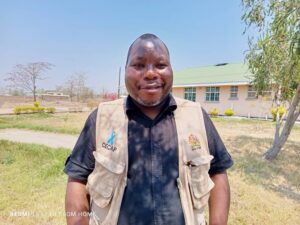
Blair Sibale
Malawi has the second highest cervical cancer age-standardised incidence rate of 70.9 per 100,000 women, and the highest mortality rate of 54.1 per 100,000 women in the world, according to World Health Organization (WHO).
The country adopted the WHO cervical cancer elimination strategy and revised its strategic plan to align with the elimination agenda targets by 2030 — of 90% girls to be fully vaccinated with human papilloma virus at the age of 15; with 70% screened with a high-performance test at the age of 35 and 45; and 90% of women found with cancer to be treated.
CHAI is a global health organisation committed to saving lives and reducing the burden of disease in low and middle income countries by strengthening capabilities of governments and the private sector to create and sustain high quality health systems.—Reporting from Machinga by Leonard Masauli, MANA


Advertisement