
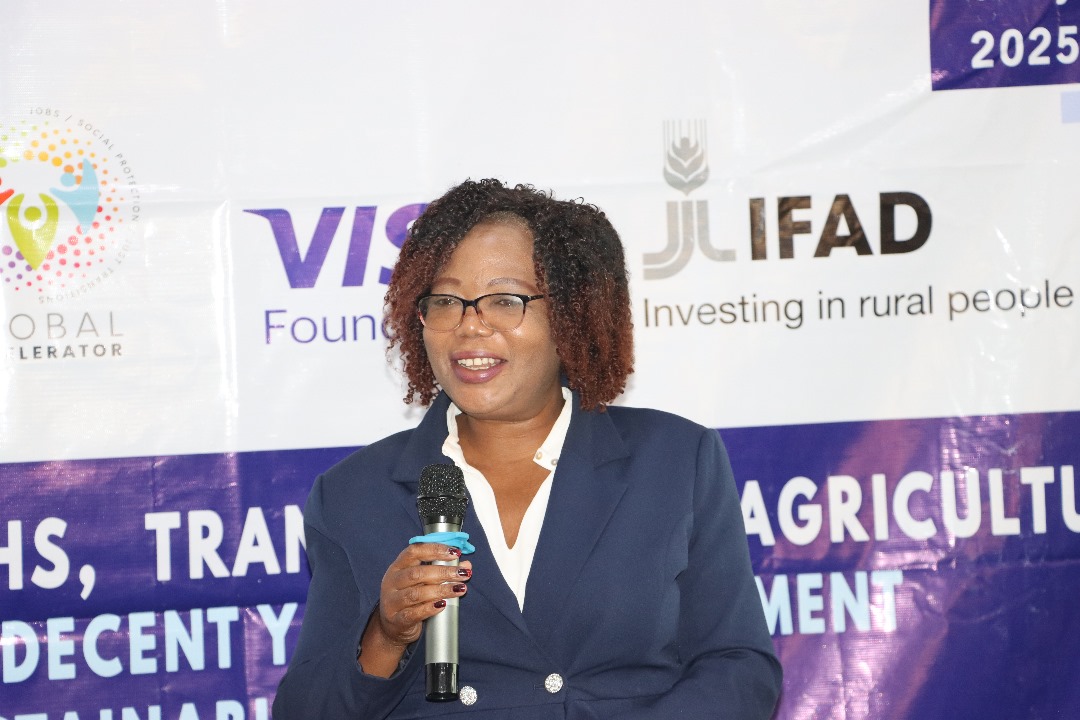
Chifundo Lodzeni, senior deputy director for technical & vocational training in the Ministry of Labour
* Vital for uplifting the country’s economy and addresses one of the most critical challenges of unemployment that the youth are facing today
* These efforts are central to empowering young Malawians, contributing to sustainable economic growth and fostering an inclusive society
* The project has played a crucial role in ensuring that youths are empowered to gain meaningful jobs or start their own businesses
By Christina Mkutumula, MANA
The ProAgro youth project that is being implemented by ILO and IFAD has been described as a testament of the power of collaboration, as it has addressed one of the most critical challenges of unemployment that the youth are facing today.

Advertisement
This was observed yesterday in Lilongwe by Chifundo Lodzeni, senior deputy director for technical & vocational training in the Ministry of Labour at the joint donor round table meeting organised by International Labour Organisation (ILO) and the International Fund for Agricultural Development (IFAD).
Lodzeni said through the project, which started two years ago, there have been significant engagement from various sectors, industry leaders and employers in playing a vital role in job placement and creating pathways for young people to enter and thrive in the labour market to help in uplifting the country’s economy.
She said government is appreciative of the ProAgro Youth interventions which align closely with the broader job creation strategy and human capital development goals under the MW2063 national vision.
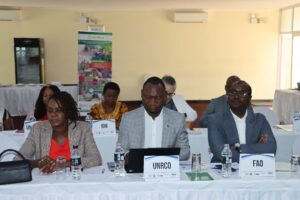
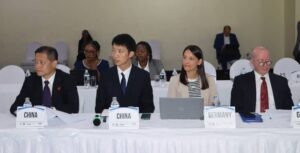
Some of the delegates to the donor roundtable.—Pictures by Patricia Kapulula, MANA
“These efforts are central to empowering young Malawians, contributing to sustainable economic growth and fostering an inclusive society and the project has played a crucial role in ensuring that youths are empowered to gain meaningful jobs or start their own businesses,” she said.
She further emphasised that the skills and jobs created through the project are pivotal in building a strong and resilient workforce for the future — while highlighting that a key milestone of the initiative is the development of a harmonised curriculum in horticulture and dairy farming.
This is designed to meet the needs of the agriculture sector and equip the next generation with relevant skills and knowledge.

Advertisement
On the part of ILO, Director for Zambia, Mozambique and Malawi, Wellington Chibebe said the project is aligned with the MW2063 national vision, especially considering that many young people in Malawi are qualified but lack gainful employment.
“We saw that it was possible to give them skills and empower them at their level with minimum resources so that they can produce something to uplift their lives,” said Chibebe, who described the round table donor meeting as impactful as there were people with different views from various organisations and inspirations — but they had one goal.

Wellington Chibebe
He added that they are all going in one direction of ensuring that the project is beneficial to Malawians not only in serving the youth but the country at large, saying: “We are happy that the donors view the project as a success and that the money pumped in is worth it.”
Asked how the ILO is incorporating youth with disabilities, Chibebe said his organisation’s stance is of social justice inclusion and it ensures that no one is left behind when implementing their projects as each individual is of paramount importance.
Country Director for IFAD, Bernadette Mukonyora described the meeting as transformative, highlighting how development resources can be used to trigger real change and align with the national development agenda.
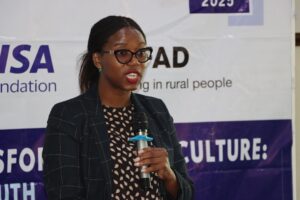
Bernadette Mukonyora
“The percentage population of youth in Malawi of about 60-70% is huge percentage — thus, you really have to start thinking of what strategies and models can be applied to ensure that young people are gainfully employed or engaged in self-employment or lucrative businesses.”
Mukonyora further said the activities of young people in the agriculture sector serve as a model demonstrating how institutions can leverage the private sector as a key driver of development and economic empowerment.
“There is real change and integration of the private sector as a key driver for economic growth and partners for development but also government in ensuring that there is economic empowerment in the country,” she said.


Advertisement
On how IFAD would support youths embarked in farming, Mukonyora said the meeting was held to try and understand if they are in the right truck so that they can validate, gather more information, experience and innovation to take on board.
The objective of the meeting was to increase awareness of the impact, lessons learnt and scalability of the ProAgro youth project as an innovative, integrated model for promoting decent jobs in Malawi’s agriculture sector.
The ProAgro Youth project is being implemented by the ILO with fupport from IFAD, the BMZ and the VISA Foundation.
* Weather update
