
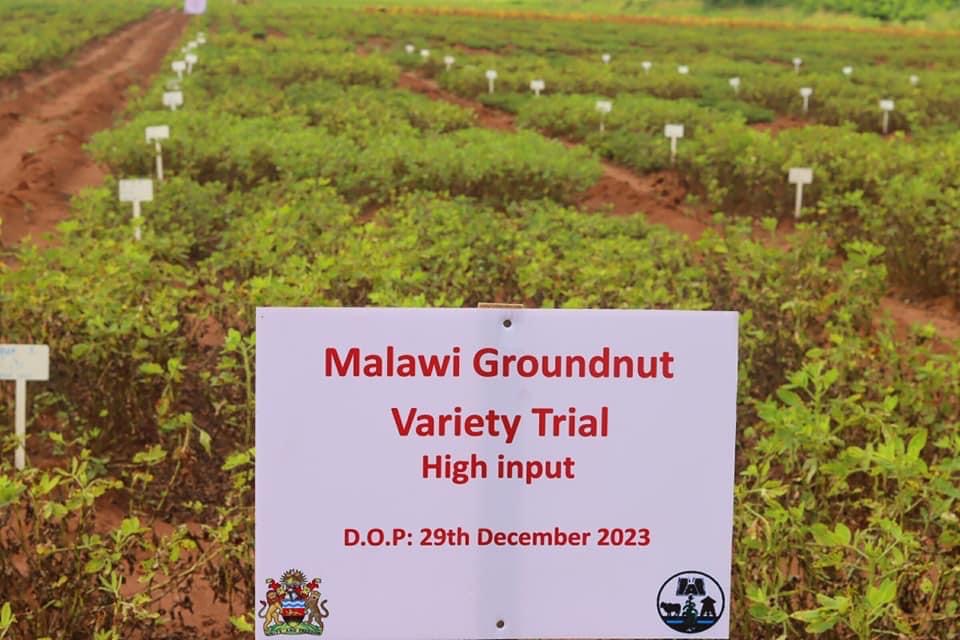

* The research will benefit mega and small-scale groundnut farmers across the country
* There is need for more interventions at Chitedze Research Station to enable the generation of more varieties
By Paul Madise, MANA
Director of Research Services in the Ministry of Agriculture at Chitedze Agriculture Research Station, Dr Grace Kaudzu has said they are working collaboratively with other stakeholders to come up with new hybrid groundnut varieties to ensure groundnut industry is sustained.

Advertisement
Kaudzu made the remarks on Tuesday in Lilongwe during a ‘Groundnut Tour in Malawi’, which is being conducted to showcase the potential the country has in the groundnut industry, to carter for national, regional and international markets.
Kaudzu expressed optimism that the research will benefit mega and small-scale groundnut farmers across the country through climate change-resilient varieties being produced through the research.
The Director said there is need for more interventions at Chitedze Research Station to enable the generation of more varieties of climate resilient groundnuts and hybrid groundnut seed multiplication.


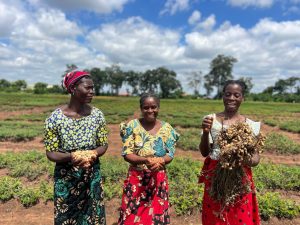

Cementing on the matter, lead farmers from Horizon Farm, Chikondi Joseph and Franks Jictor urged Malawians to embrace groundnut farming for business inorder to compliment tobacco as a cash crop.
The farmers further commended the introduction of the new groundnut varieties, saying they have resulted into high yields.
The groundnut tour attracted over 150 investors, researchers, farmers and policy makers from 10 countries across the world.
In a related development, ‘We Effect’, a Swedish international development organisation envisions a strong, independent smallholder farmers’ community in Malawi capable of feeding the whole nation.
This was observed by We Effect secretary general Anna Tibblin on Monday in Dedza where she and other We Effect delegates toured various interventions the organisation is funding through Malawi Union of Savings and Credit Cooperatives (MUSCCO).

Tibblin said despite the various poverty challenges people in the country are facing, it is encouraging to note that the people are still well organised and are working very hard to improve their situation.
“We want to support such local organisations so that they are strong enough to manage their business without external support. In the long term, we want to leave the stage as We Effect.
“Our aim is not to hang around as the Swedish development organisation, but to support the local organisations so that they can do it themselves with the support of their own members,” she said.
On his Chief part, Executive Officer, Fumbani Nyangulu said MUSCCO has put in place interventions that are helping smallholder farmers, mostly women, to take part in economic development activities that will improve their livelihoods.

Fumbani Nyangulu
“Our main focus is to empower these people through Village Savings and Loans Associations (VSLAs) where they save and borrow money. At the same time, we also link them to formal financial institutions,” Nyangulu said.
“In addition to the VSLAs initiative, MUSCCO is also championing environmental conservation projects that focus on climate change issues, as well as encouraging smallholder farmers to use organic manures in their fields, among other interventions.”
Towera Lukiasi, one of the smallholder farmers from Senior Chief Kaphuka’s Chimasula Village, said through these interventions, the community members are now producing, on their own, organic Mbeya Fertilizer.

Weather update
“This fertilizer is cost-effective,” Lukiasi. “Previously, the kind of fertilizer we were buying from shops wasn’t adequate, as we didn’t have enough money to buy that fertilizer enough for our fields.
“With Mbeya Fertilizer, however, we are now able to cultivate large area of land and produce great yields, something we couldn’t have done with the inorganic fertilizers we were using before.”
Chairperson for Chimasula Village Development Committee, Stephano McDonald, concurred with Lukiasi, saying the interventions MUSCCO is implementing in the area are benefitting a lot.
“MUSCCO has empowered women here to have land for farming and have access to clean water; farmers now get expert advice on climate change and managing finances; and local libraries have been created for local people to get information on farming, nutrition and other topics.”—Reporting from Dedza by Robert Katuli, MANA


Advertisement